Starting a catering business is an exciting journey, but success depends heavily on having the right tools. Whether you’re preparing meals for intimate gatherings or large events, your equipment directly impacts food quality, service speed, and customer satisfaction.
Many new caterers make the mistake of either buying too much or not having essential items, which can drain your budget or hurt your reputation. Understanding what equipment is needed for a catering business helps you make smart purchasing decisions from day one.
The right setup allows you to handle different types of catering requests efficiently while maintaining food safety standards. This guide walks you through everything you need to launch and grow your catering operation successfully.
Why the Right Equipment Matters in Catering
Having proper equipment isn’t just about cooking food—it’s about running a professional business that clients trust. Quality tools ensure you can maintain proper temperatures, follow FDA requirement guidelines, and deliver consistent results every time. When you arrive at an event with reliable equipment, you project confidence and competence.
The right gear also expands your service capabilities. With versatile equipment, you can accept both indoor and outdoor catering equipment list requests, increasing your earning potential. Professional tools reduce food waste, speed up preparation times, and help your team work more efficiently during high-pressure events.
Additionally, proper equipment protects your business legally and financially. Meeting health code standards requires specific tools for safe food handling and storage. Investing wisely from the start saves you from costly replacements and potential health violations that could shut down your business.
Complete Catering Equipment Checklist for Beginners
1. Cooking and Heating Equipment
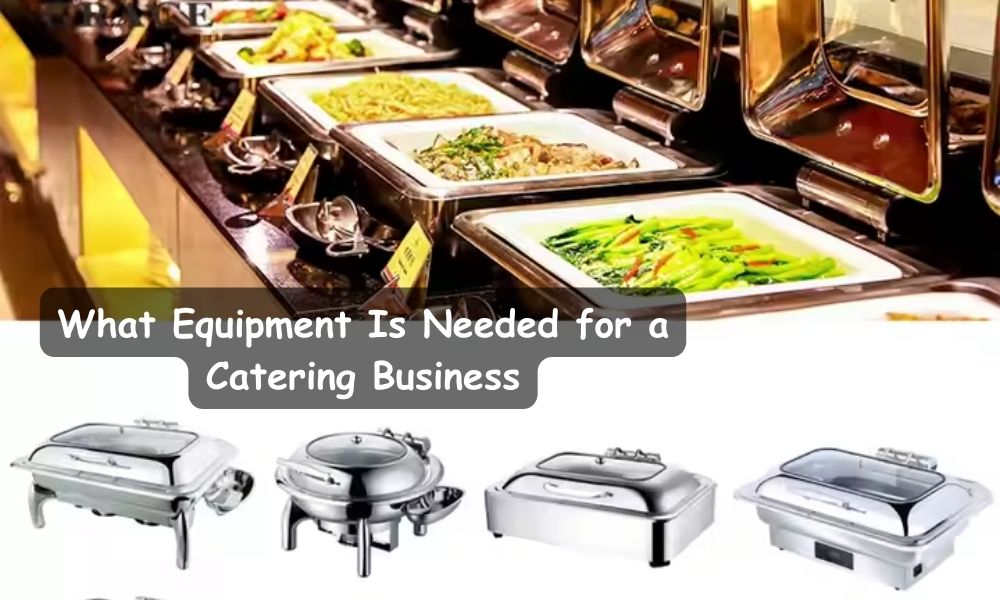
Your cooking equipment forms the backbone of your catering operation. Portable and reliable heating tools let you prepare fresh food on-site or keep dishes at perfect serving temperatures. These items must be durable enough to withstand frequent transport and outdoor conditions while delivering consistent performance.
- Commercial Ovens
- Portable Induction Cooktops
- Chafing Dishes
- Food Warmers
2. Food Storage and Transportation
Keeping food fresh and safe during transport is critical for any catering event. Insulated containers maintain proper temperatures while you move between your kitchen and event locations. Quality storage equipment prevents spills, contamination, and temperature abuse that could make guests sick.
- Insulated Food Carriers
- Commercial Coolers
- Food Pan Carriers
- Thermal Bags
3. Serving and Display Equipment
People eat with their eyes first – true story. Your food could taste amazing, but if it looks messy on the table, guests won’t be impressed. Nice serving pieces make everything look fancy and keep food at the right temperature during meal hours. You want stuff that looks good but also works well when hungry people are lining up.
- Serving Platters
- Beverage Dispensers
- Display Risers
- Buffet Stations
4. Preparation Tools and Utensils
Efficient food preparation requires professional-grade tools that can handle high-volume cooking. Sharp knives, sturdy cutting boards, and mixing equipment speed up your prep work significantly. A catering materials list should always include backup utensils since you’ll be working in different locations without access to your full kitchen.
- Chef Knife Sets
- Cutting Boards
- Mixing Bowls
- Measuring Tools
5. Smallwares and Disposables
While reusable items are ideal, disposable products offer convenience for certain events. Stock various sizes of plates, cups, and utensils to accommodate different menu styles. Quality disposables look professional and can actually save time on cleanup, letting you focus on food quality and guest service.
- Disposable Plates
- Serving Utensils
- Napkins
- To-Go Containers
6. Cleaning and Sanitation Supplies
This isn’t glamorous, but it’s super important. You absolutely must keep everything clean or you’ll fail health inspections. Bring your own cleaning supplies to every job because the venue might not have what you need. Soap, sanitizer, paper towels – boring stuff that keeps you in business.
- Sanitizing Solution
- Dishwashing Supplies
- Hand Soap
- Paper Towels
7. Beverage Service Equipment
Don’t forget about drinks! A lot of new caterers miss this part. People want coffee, water, maybe some iced tea. Having the right drink gear means you can offer complete service instead of just food. Especially everyone wants coffee at breakfast events and after dessert.
- Coffee Makers
- Water Dispensers
- Ice Buckets
- Drink Pitchers
8. Safety and Emergency Equipment
Safety equipment protects both your staff and guests during events. Fire extinguishers, first aid kits, and protective gear should always travel with your catering setup. These items demonstrate professionalism and preparedness, giving clients confidence in your ability to handle unexpected situations responsibly.
- Fire Extinguishers
- First Aid Kits
- Protective Gloves
- Burn Treatment Supplies
Read More: Postino Happy Hour
Optional Equipment for Growing Catering Businesses
Commercial Grade Refrigerator – As your business expands, dedicated refrigeration space becomes essential for storing ingredients and prepared items safely before transport to venues.
Portable Generators – Power sources enable outdoor cooking and service at remote locations without electricity, opening up more lucrative event opportunities for your business.
Folding Tables – Sturdy folding tables provide instant prep space and buffet setups anywhere, eliminating dependence on venue furniture that may be inadequate or unavailable.
Tent and Canopy Systems – Weather protection lets you confidently accept outdoor events year-round, shielding food, equipment, and guests from sun, rain, or wind conditions.
Commercial Dishwasher – High-volume dishwashing equipment dramatically reduces cleanup time for events where you provide reusable serviceware, improving efficiency and staff satisfaction significantly.
Food Warmers on Wheels – Mobile warming units allow flexible positioning and easy movement between kitchen prep areas and serving locations at large venues.
Professional Mixer – Heavy-duty mixers handle large batches of dough, batter, and other preparations much faster than manual methods or home-grade equipment.
Conclusion
Knowing what equipment is needed for a catering business sets the foundation for your success. Remember to research options thoroughly and consider using a catering calculator to estimate costs before purchasing.
Many successful caterers started small and gradually built their inventory based on actual demand. Visit resources like Modern Food Catering for menu ideas and operational tips as you build your business.
Quality equipment is an investment that pays dividends through satisfied clients, repeat bookings, and a strong professional reputation. Take time to choose wisely, maintain your tools properly, and your catering business will be equipped for long-term growth and profitability.
Frequently Asked Questions
How much money do I need to start a catering business?
Starting costs typically range from five thousand to fifty thousand dollars, depending on scale. Essential equipment, licenses, insurance, and initial supplies form your baseline investment before accepting customers.
What are the four types of catering?
The four main types are weddings, corporate events, social parties, and concession stands. Each one needs different equipment and menus. Corporate gigs are usually simpler than big, fancy weddings.
What do you need for a catering company?
You need cooking equipment, storage containers, serving pieces, a vehicle, business licenses, insurance, and access to a commercial kitchen. Can’t legally cook from home in most places.
How do you start a small catering business?
Get your permits first, then create some menus you’re good at making. Buy essential equipment, start telling everyone you know about your business, and grow from there organically.
Do I need a commercial kitchen for catering?
Yeah, most states make you use a licensed commercial kitchen. Your home kitchen won’t cut it unless it’s specially certified. Health departments are strict about this stuff.