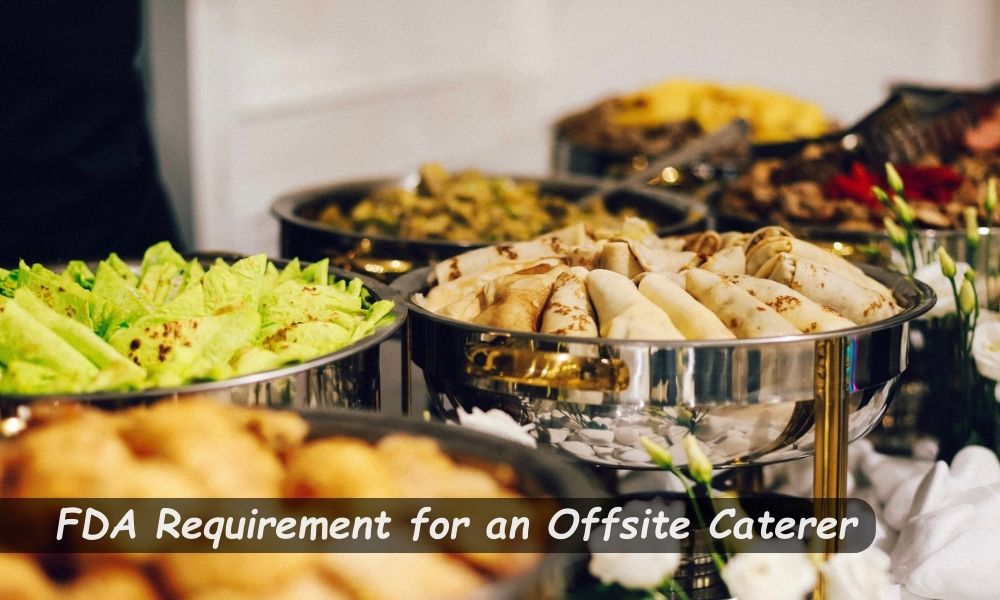
Running a catering business means bringing delicious food to people wherever they need it.
However, before you begin delivering meals to events and parties, it is essential to understand the rules that ensure food safety.
The FDA has set up important guidelines that every caterer must follow. Let’s break down what Is the FDA requirement for an off-site caterer you need to know.
Understanding Basic Food Safety Rules
The FDA created the Food Code to protect people from getting sick from food. This code tells caterers how to handle, store, and transport food safely.
Even though the FDA makes these rules, your state and local health departments are the ones who enforce them. Each area might have slightly different requirements, so always check with your local health office first.
When you’re running any food service business, safety comes first. The FDA wants to make sure that food stays at the right temperature, gets prepared in clean spaces, and reaches customers without any contamination.
Getting Your Business Licensed
Before you serve your first meal, you need proper permits and licenses. Most areas require a food service license or permit from the local health department.
An inspector will visit your kitchen to make sure everything meets health codes. This inspection happens before you open and then regularly after that.
You’ll also need a business license from your city or county. Some states require food handler certifications for everyone who works with food.
These classes teach your team about safe food handling, which protects both your customers and your business.
Kitchen and Preparation Space Standards
Your kitchen needs to meet specific structural and equipment requirements set by health codes.
The space where you prepare food must have proper ventilation, lighting, and temperature control. Floors, walls, and ceilings should be smooth and easy to clean.
You need separate areas for different tasks. Raw meat should never touch surfaces where you prepare ready-to-eat foods.
Your kitchen must have handwashing sinks that are different from the sinks used for washing dishes or food. Hot water must be available at all times.
Equipment Standards for Safe Catering
All your cooking and storage equipment needs approval from organizations like NSF International.
This means your refrigerators, ovens, and prep tables meet industry safety standards. Equipment should be easy to clean and maintain.
Thermometers are essential tools for any caterer. You need them to check that food reaches safe cooking temperatures and stays cold enough during storage.
Digital thermometers that give instant readings work best for busy kitchens.
Temperature Control During Transport
One of the biggest challenges for off-site catering requirements is keeping food at safe temperatures while moving it.
Hot foods must stay at 135°F or higher, and cold foods need to stay at 41°F or below. The danger zone between these temperatures lets bacteria grow quickly.
Invest in insulated containers, hot boxes, and cooling units for your vehicles. Some caterers use portable warmers or refrigeration units in their vans. Plan your timing carefully so food doesn’t sit at unsafe temperatures for too long.
Setting Up at Event Locations
When you arrive at a catering location, you need to maintain the same food safety standards as your kitchen.
Bring portable handwashing stations if the venue doesn’t have proper facilities. Keep raw and cooked foods separated, even during setup.
Cover all food to protect it from contamination. Use serving utensils instead of your bare hands.
If you’re offering lunch or coffee catering services throughout the day, monitor food temperatures regularly and refresh items as needed.
Training Your Catering Team
Your staff makes or breaks your food safety program. Everyone should understand the importance of proper handwashing, preventing cross-contamination, food recipes, and maintaining proper temperature control. Regular training sessions keep these practices fresh in everyone’s mind.
Teach your team to recognize signs of food spoilage and know when to throw items away. They should understand that food safety isn’t just about following rules but about protecting people’s health.
Record Keeping and Documentation
Keep detailed records of food sources, preparation dates, and temperature logs. These records help if there’s ever a food safety question or complaint.
Many health departments require caterers to maintain logs showing they’ve monitored food temperatures throughout service.
Document your cleaning schedules and equipment maintenance. This paperwork proves you’re following proper procedures and can help during health inspections.
Working With Your Health Department
Build a good relationship with your local health inspector. They’re not trying to shut you down but want to help you succeed safely.
Ask questions when you’re unsure about requirements. Many health departments offer free consultations for new food businesses.
Stay updated on any changes to local regulations. Food safety rules can change, and it’s your responsibility to stay informed and compliant.
Frequently Asked Questions
What is the FDA requirement for an off-site caterer?
Off-site caterers must follow FDA Food Code guidelines, including proper licensing, safe food handling, temperature control during transport, and approved kitchen facilities with regular inspections.
What is needed for off-site catering without temperature control?
Without temperature control equipment, serve only shelf-stable foods that don’t require refrigeration or heating, like certain baked goods, candies, or pre-packaged snacks that meet safety standards.
Do you need FDA approval to sell food online?
You don’t need direct FDA approval, but must comply with local health department licenses, food safety regulations, and possibly cottage food laws, depending on what you sell.
How often do catering businesses get health inspections?
Most catering businesses receive health inspections one to four times yearly, depending on local regulations and your establishment’s risk level and previous inspection scores.
Can I cater from my home kitchen legally?
Some states allow home-based catering under cottage food laws with restrictions. However, most areas require commercial kitchen facilities that meet health department standards for catering businesses.
Final Thoughts
Meeting FDA requirements for off-site catering takes effort, but it’s worth it. These rules exist to keep your customers safe and your business running smoothly.
Start by getting the right licenses, setting up a proper kitchen, and training your team well. With good systems in place, you can focus on what you do best: creating amazing food experiences for your clients.